Trauma and PTSD in First Responders: Support for the Peer Support Team
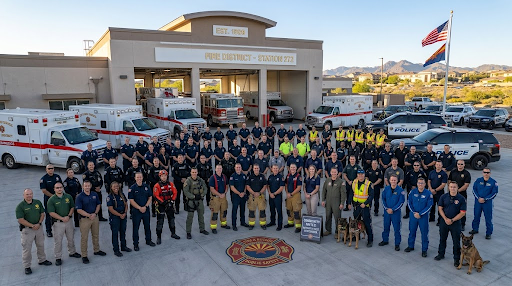
First Responders face trauma as part of the job. Firefighters, Law Enforcement officers, EMTs, paramedics, dispatchers, and other emergency personnel may regularly encounter fatal accidents, medical emergencies, child injuries, violence, disasters, line-of-duty deaths, and other deeply distressing situations.
Repeated exposure to traumatic events can take a toll on mental health over time. For many first responders, peer support is one of the most trusted and accessible ways to begin addressing stress, trauma, and PTSD.
Yet there is an important group that can sometimes be overlooked: the peer supporters themselves.
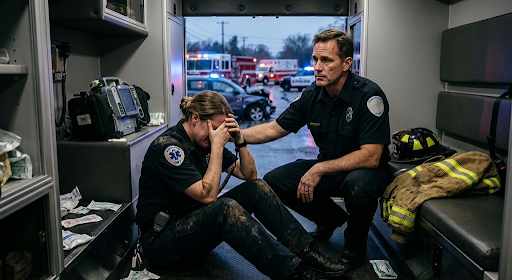
Peer supporters may be the people their coworkers call during their hardest moments. They listen, provide encouragement, recognize warning signs, and help connect others with resources. But they are also first responders, and they can carry stress, grief, compassion fatigue, and trauma of their own.
The Reality of Trauma for First Responders
First responders are trained to work under pressure, make rapid decisions, manage crises, and remain focused when others are overwhelmed. That strength is essential to the work, but it can sometimes create an expectation that they should be able to emotionally “handle” anything they encounter.
Trauma does not always appear immediately after a difficult call.
A first responder may feel fine immediately following an incident and then experience symptoms days, weeks, or even months later. Repeated exposure to traumatic situations can also accumulate over time, particularly when there is little opportunity to process an experience or recover before responding to the next call.
Common reactions to occupational trauma can include:
Intrusive memories, nightmares, or flashbacks
Trouble sleeping or persistent fatigue
Irritability, anger, or emotional numbness
Avoiding people, places, calls, or conversations that trigger memories
Hypervigilance or feeling constantly “on guard”
Increased alcohol or substance use
Anxiety, depression, guilt, or hopelessness
Difficulty connecting with family, friends, or coworkers
Feeling disconnected from work or losing a sense of purpose
Changes in mood, behavior, or relationships
When these symptoms persist and begin interfering with someone's daily life, relationships, or ability to function, they may be signs of post-traumatic stress disorder (PTSD).
PTSD is not a failure of character, courage, or professionalism. It is a response to experiences that overwhelm the nervous system, and seeking support is not a sign of weakness.
Peer Supporters Need Support Too
There is another side of peer support that deserves attention.
Peer supporters may listen to coworkers describe disturbing calls, grief, relationship problems, substance use, suicidal thoughts, or traumatic experiences. They may feel responsible for being available, calm, capable, and confidential.
But peer supporters are not immune to trauma simply because they are helping someone else.
They may be managing several types of stress at once:
Their own exposure to traumatic calls
The emotional weight of supporting coworkers
Compassion fatigue
Burnout
Worry about missing warning signs
Pressure to maintain confidentiality
Feeling responsible for another person's wellbeing
Difficulty separating their peer-support role from their personal life
A peer supporter who is struggling may hesitate to ask for help because they fear appearing weak or incapable.
This can create a dangerous double standard:
We tell everyone else that it is okay to ask for help—but forget to give ourselves the same permission.
A Culture of Support Can Change Lives
First responders are often praised for being resilient.
But resilience does not mean pretending difficult experiences do not affect you.
True resilience includes recognizing when you need support, accepting that support, and knowing when it is time to reach out for additional help.
A healthy first responder culture makes it acceptable to say:
“That call got to me.”
“I'm not sleeping well.”
“I need someone to talk to.”
“I'm struggling right now.”
“I need professional help.”
“I can't be the supporter of this one. I need support too.”
When leaders, supervisors, union representatives, chaplains, and peer supporters model these conversations, they can help reduce the stigma surrounding mental health and make it easier for first responders to seek help before they reach a crisis point.
How Discovery & Wellness Counseling Can Support First Responder Peer Support
A strong peer support program needs support built into the system—not only for the people receiving help, but also for the people providing it.
Departments, agencies, and peer-support programs can strengthen their approach by ensuring peer supporters have access to:
Regular check-ins with peer-support leadership
Confidential professional consultation when needed
Resources for trauma and PTSD
Education about secondary trauma and compassion fatigue
Training in suicide prevention and crisis response
Clear boundaries around availability and after-hours contact
A peer-support buddy or team system
Opportunities to debrief following particularly difficult situations
Clear referral procedures for professional mental health treatment
Permission to step back when they need support themselves
Most importantly, peer supporters need to know:
You do not have to carry everyone else's pain alone.
Being the person others turn to does not mean you cannot be the person who needs support.
Trauma & PTSD Treatment
Discovery & Wellness Counseling provides counseling services that may help individuals experiencing trauma, PTSD, anxiety, and other mental health concerns.
Final Thoughts
Peer Support Teams provide a powerful first step toward connection and recovery.
Peer Supports need support, too.No first responder should have to carry trauma alone and no peer supporter should be expected to be the strong one every minute of every day.
The strongest first responder communities are not the ones where nobody struggles. They are the ones where people know they don't have to struggle alone.
IF YOU ARE INTERESTED IN HOW DISCOVERY & WELLNESS COUNSELING MAY BENEFIT YOU PLEASE CONTACT US FOR A FREE 15 MINUTE INITIAL PHONE CONSULTATION WITH THE LINKS BELOW: